Lowering down payments in real estate broadens access to homeownership through programs like FHA (3.5%) and VA (0% for veterans) loans, plus flexible plans. However, lenders assess risk based on loan-to-value ratios, potentially tightening criteria. Borrowers should maintain excellent credit, manage debts, consult specialists, and tailor decisions to their unique financial goals for successful approval. Creative financing like shared equity programs further democratizes access, with these innovative approaches gaining popularity.
In today’s competitive real estate landscape, navigating the path to homeownership can be a challenging prospect, especially for first-time buyers. The traditional requirement of substantial down payments and stringent approval criteria often leaves many aspiring homeowners deterred. However, a growing trend in the market is challenging these conventional barriers, offering a glimmer of hope for those seeking to enter the real estate realm. This article delves into the strategies and innovations that are making lower down payments and easier approval a reality, empowering individuals to secure their dream homes with newfound accessibility.
Understanding Down Payments: Requirements & Flexibilities in Real Estate

In real estate, the down payment is a significant barrier for many potential buyers. Traditionally, a substantial down payment is required to secure a mortgage, often equating to 20% of the property’s purchase price. However, understanding the flexibility and varying requirements surrounding down payments can significantly broaden access to homeownership. Lenders have recognized this need and introduced programs offering lower down payment options, making it easier for buyers to enter the real estate market.
The landscape of mortgage financing has evolved to cater to diverse buyer profiles. For instance, FHA loans permit down payments as low as 3.5%, while VA loans offer 0% down for eligible veterans and their spouses. These programs have been instrumental in empowering first-time homebuyers by reducing the substantial upfront costs traditionally associated with real estate transactions. Furthermore, some lenders have introduced flexible down payment plans, allowing borrowers to pay a smaller initial deposit and gradually build equity over time. This approach is particularly appealing to those with limited savings or fluctuating income.
While lower down payments present an opportunity, it’s crucial to consider the long-term implications. Lenders assess risk based on loan-to-value ratios, meaning higher loans (requiring smaller down payments) may result in more stringent approval criteria. Borrowers should aim for a balance, aiming for the smallest down payment that aligns with their financial stability and future goals. Consulting with mortgage specialists can provide valuable insights into specific programs and help buyers navigate the complexities of real estate financing, ensuring they make informed decisions tailored to their unique circumstances.
Simplifying Approval Process: Tips for Success in Mortgage Lending

The mortgage approval process can often feel like a complex labyrinth for borrowers, but there’s a silver lining: lowering down payments can significantly simplify matters. This strategy not only boosts accessibility to real estate but also streamlines the journey for prospective homeowners. With a smaller initial investment, lenders are more inclined to offer favorable terms and conditions, making approval more attainable. According to recent industry data, loans with down payments as low as 5% have seen a surge in popularity, reflecting a growing trend toward inclusivity in mortgage lending.
Experts suggest that one of the key steps to success is maintaining an excellent credit score. This leverages your advantage in securing better interest rates and loan terms. Additionally, establishing a solid financial foundation through responsible borrowing and savings can make a substantial difference. Lenders carefully assess debt-to-income ratios, so managing existing debts effectively is crucial. For instance, paying off high-interest credit cards or consolidating loans can significantly improve your chances of approval, especially with lower down payment requirements.
Furthermore, working closely with an experienced mortgage broker who specializes in these programs can be invaluable. They have access to a diverse range of lenders and products, allowing them to match you with the most suitable options tailored to your financial profile. By keeping up with market trends and changes in regulatory environments, these professionals can guide borrowers through each step, ensuring a smoother approval process and ultimately helping them secure their dream real estate holdings.
Lowering Barriers: Strategies for Easier Access to Homeownership
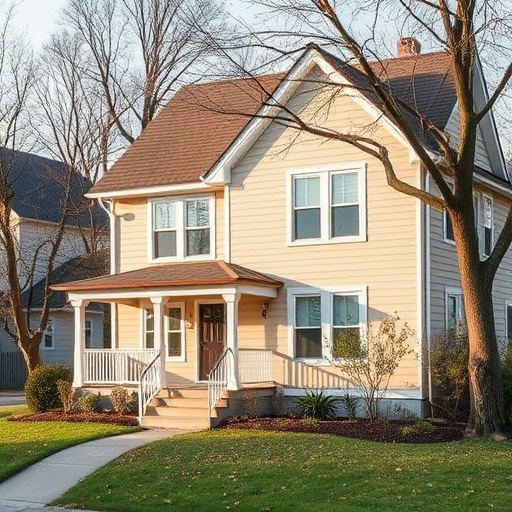
Lowering barriers to homeownership is a multifaceted strategy aimed at making the real estate market more accessible to a broader range of buyers. One of the most significant hurdles for prospective homeowners is the initial down payment. Traditional requirements can be prohibitively high, especially for first-time buyers or those with limited financial resources. To address this challenge, many lenders and real estate professionals have adopted innovative strategies that reduce down payment obligations while maintaining reasonable approval criteria.
A popular approach involves government-backed loan programs, such as FHA loans in the United States, which allow for as little as 3.5% down payment. These programs are designed to encourage homeownership among eligible borrowers by minimizing financial barriers. Similarly, some lenders offer low-down-payment options through private mortgage insurance (PMI), making it possible for buyers to enter the market with a smaller initial investment. For instance, a study by the Federal Reserve found that over 40% of first-time homebuyers in 2022 utilized low-down-payment loans, demonstrating their growing acceptance and appeal.
Additionally, creative financing plans, like shared equity programs, partner buyers with developers or investors who contribute to the down payment in exchange for a portion of future equity. This strategy not only reduces the upfront cost for buyers but also provides access to real estate ownership in areas that might otherwise be out of reach. As the real estate market continues to evolve, these strategies are expected to become even more sophisticated, further democratizing homeownership opportunities across diverse demographics.