In real estate, understanding down payment requirements is crucial for first-time homebuyers, varying by creditworthiness, loan type, and market conditions. Conventional loans typically demand 5%, while government programs like FHA loans offer as low as 3.5%. Key strategies include improving credit scores, saving for larger down payments to avoid private mortgage insurance (PMI), staying informed about local trends, and consulting with professionals for tailored advice in today's dynamic market. Lowering the down payment barrier enhances homeownership access for diverse socio-economic groups.
In the dynamic landscape of real estate, navigating the path to homeownership can be a challenging endeavor for many prospective buyers. One significant barrier often cited is the substantial down payment requirement, which can seem almost insurmountable. However, there’s a growing trend that promises to democratize access to the housing market: lower down payments and easier approval criteria. This article delves into this transformative shift, offering insights into how these changes are not only empowering first-time buyers but also revitalizing the real estate sector as a whole. By exploring the strategies and opportunities available, we aim to equip readers with valuable knowledge for navigating this crucial aspect of modern homeownership.
Understanding Down Payment Requirements in Real Estate
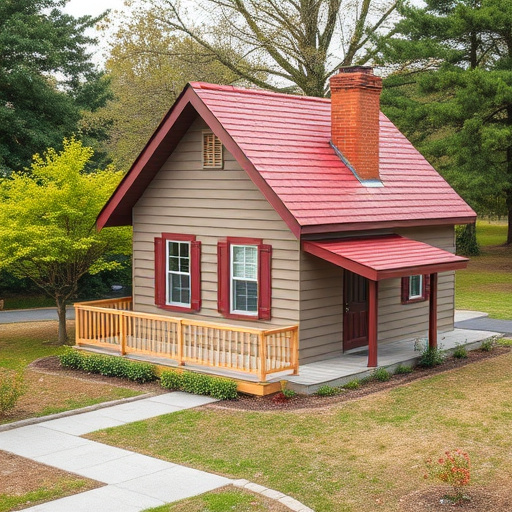
In real estate, the down payment is a significant threshold many buyers approach with trepidation. This initial investment, typically a percentage of the property’s purchase price, can feel overwhelming, especially for first-time homebuyers. However, understanding and navigating these requirements are essential steps in achieving homeownership. The good news is that down payment guidelines are not one-size-fits-all; they vary based on factors like creditworthiness, loan type, and market conditions. Lenders often look beyond the down payment itself, evaluating a borrower’s overall financial health to ensure responsible borrowing.
For instance, conventional loans typically require a minimum down payment of 5%, while government-backed programs like FHA loans offer lower thresholds as low as 3.5%. These variations allow a broader range of buyers to enter the real estate market. Moreover, certain lenders are more flexible, especially in regions with lower property values, offering no-down-payment options or minimal requirements. It’s crucial for prospective buyers to shop around and consult with multiple lenders to find the best fit based on their financial standing.
Actionable advice for buyers includes improving their credit score, which can lead to better loan terms and interest rates. Saving for a larger down payment can also strengthen a buyer’s position, reducing the risk of private mortgage insurance (PMI). Additionally, staying informed about local real estate trends helps identify areas where down payment expectations might be more lenient. By proactively researching and preparing, buyers can navigate down payment requirements with confidence, moving closer to achieving their dream of homeownership in the competitive real estate market.
Strategies for Securing Easier Mortgage Approval

Securing a mortgage with lower down payments and easier approval is within reach for prospective homebuyers, but it requires strategic planning and an understanding of the current real estate landscape. Lenders have become increasingly flexible in their lending practices, especially with government initiatives aimed at boosting homeownership. One key strategy involves improving your credit score, as it significantly influences loan terms. A higher credit rating can lead to better interest rates and more favorable approval conditions. Regularly reviewing your credit report for errors or discrepancies is essential; correcting these issues can instantly boost your score.
Building a solid savings buffer, while often overlooked, plays a pivotal role in simplifying the mortgage process. Lenders typically expect a down payment of at least 20% of the property value to mitigate risk. However, with careful financial management and creative saving strategies, buyers can secure loans with smaller down payments. Saving for both the down payment and closing costs simultaneously might seem challenging, but dedicated budget planning allows for this. Consider increasing your savings rate or exploring options like employer-sponsored retirement accounts that offer tax advantages for long-term savings.
Additionally, understanding different mortgage types is crucial. Fixed-rate mortgages offer stability with consistent payments over the loan term, while adjustable-rate mortgages (ARMs) provide initial lower rates that can adjust periodically. ARMs might be suitable for those planning to sell or refinance within a few years, but they carry interest rate risks. Consulting with a reputable mortgage broker or financial advisor who stays abreast of market trends and regulatory changes ensures you make informed decisions tailored to your unique circumstances.
Lowering Bar: Accessing Homeownership with Smaller Down Payments

Lowering the down payment barrier is a significant strategy to expand access to homeownership, especially for first-time buyers navigating the competitive real estate market. Historically, a substantial down payment has been viewed as an indispensable step towards securing a mortgage and purchasing a home. However, this traditional requirement can create a substantial financial hurdle for many aspiring homeowners. In recent years, lenders and real estate experts have recognized the need to adjust these standards, making it easier for more individuals to achieve their dream of owning property.
One of the key initiatives in this regard is the introduction of low-down payment mortgages, designed to accommodate buyers with limited savings. These programs offer flexible financing options, allowing potential owners to enter the market with a smaller initial investment. For instance, some lenders now provide loans requiring just 3% or 5% down, significantly reducing the financial strain on first-time buyers. This shift is particularly beneficial in regions where real estate prices have escalated, making traditional down payment requirements out of reach for many. By lowering this barrier, more individuals can actively participate in the property market, fostering a sense of homeownership across diverse socio-economic groups.
Practical considerations include careful assessment of one’s financial capabilities and exploring various mortgage options. Aspiring homeowners should assess their income stability, savings, and debt levels to determine an achievable down payment amount. Consulting with mortgage advisors or real estate professionals can provide valuable insights into the current market trends and available programs. For instance, government-backed loans often offer more flexible down payment requirements, catering to a broader range of borrowers. Embracing this opportunity to enter the real estate market with smaller initial investments empowers individuals to become homeowners, contributing to a more inclusive and diverse property ownership landscape.