Government-backed loans like FHA, VA, and USDA programs in real estate offer accessible financing with relaxed eligibility, fostering homeownership and economic growth. These loans have specific guidelines on property, location, and borrower qualifications, with pre-approval crucial for success in a competitive market. In 2021, these loans accounted for over 40% of mortgage origins, demonstrating their significant impact on community stability.
In today’s competitive real estate landscape, navigating the journey to homeownership can be a significant challenge for many qualified buyers. The high cost of properties and strict lending criteria often leave individuals seeking alternative financing options. This article explores an innovative solution: government-backed loans designed to support aspiring homeowners.
By providing guaranteed loan programs, governments play a pivotal role in democratizing access to real estate. These initiatives aim to alleviate financial burdens, making homeownership more attainable for diverse income levels and demographic groups. We will delve into the mechanics of these loans, their benefits, eligibility criteria, and the positive impact they have on both individuals and the broader real estate market.
Understanding Government-Backed Loans in Real Estate
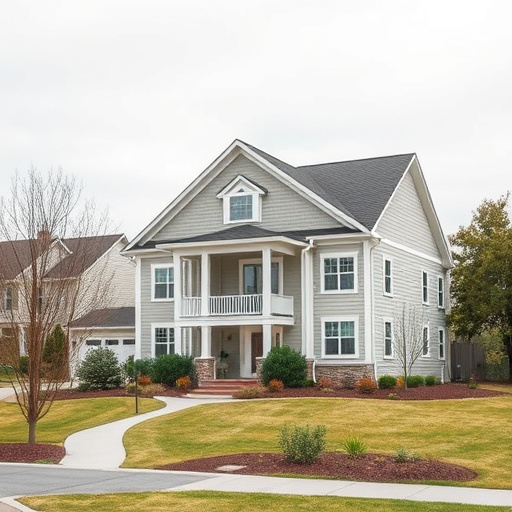
Government-backed loans have become a significant tool in the real estate sector, offering viable financing options for qualified buyers. These loans are underpinned by government agencies, which act as guarantors, mitigating risks for lenders and making credit more accessible to borrowers. This mechanism has been instrumental in fueling homeownership and stimulating economic growth, particularly in regions with limited traditional banking services. For instance, the Federal Housing Administration (FHA) in the United States insures mortgages, enabling lenders to offer loans to borrowers with lower down payments and less-than-perfect credit scores.
One of the primary advantages of government-backed loans is their stability and predictability. The U.S. Department of Veterans Affairs (VA) loans, for example, are designed specifically for military veterans and their spouses, offering zero-down payment options and competitive interest rates. Similarly, the Farm Service Agency (FSA) provides loan programs tailored to farmers and rural residents, fostering economic development in underserved areas. These government initiatives not only support individual borrowers but also contribute to community growth by encouraging investment in local real estate markets.
However, it’s essential for qualified buyers to understand the requirements and implications of these loans. Government-backed mortgages often come with specific guidelines regarding property types, locations, and borrower eligibility. For instance, FHA loans have maximum loan limits and require borrowers to pay mortgage insurance. Lenders must adhere to these regulations, ensuring a level playing field while offering tailored financial solutions. By thoroughly researching these programs, prospective buyers can make informed decisions, taking advantage of the benefits while understanding any associated obligations.
Eligibility Criteria for Qualified Buyers

In the realm of government-backed loans for qualified buyers, understanding eligibility criteria is paramount. These programs, designed to stimulate real estate markets and support aspiring homeowners, come with specific guidelines that must be met. For instance, the Federal Housing Administration (FHA) in the United States offers such loans, which require borrowers to maintain a minimum credit score of 580 for a down payment of just 3.5%. This is significantly lower than conventional loan requirements, making homeownership more accessible to a broader range of buyers.
However, eligibility extends beyond creditworthiness and down payment amounts. Government-backed loans often consider factors such as debt-to-income ratio, employment history, and the property’s location. For VA loans, offered to veterans and their spouses, there are no minimum credit score requirements, but borrowers must meet service-related criteria. Similarly, USDA loans, designed for rural areas, have income limits and property eligibility guidelines. Real estate agents and lenders play a crucial role in guiding qualified buyers through these intricacies, ensuring they meet all necessary conditions before proceeding with the loan application.
Data from recent years underscores the impact of such programs. According to the National Association of Realtors, government-backed loans accounted for over 40% of all mortgage origins in 2021, reflecting their growing importance in the real estate sector. By relaxing traditional loan criteria and offering competitive rates, these programs have not only facilitated homeownership but also fostered stability within local communities. Experts recommend that prospective buyers thoroughly research the available options and consult with professionals to maximize their chances of securing government-backed financing, ultimately navigating the real estate landscape with confidence and success.
Navigating the Process: From Application to Closing
Navigating the process of securing government-backed loans for qualified buyers in real estate involves several intricate steps, from initial application to final closing. This journey requires a deep understanding of loan programs, comprehensive documentation, and meticulous attention to detail. The first step is to research and identify the most suitable government-backed loan program aligned with individual needs. Popular options include FHA loans, VA loans, and USDA loans, each catering to distinct buyer profiles and property types. For instance, FHA loans are well-suited for first-time homebuyers due to their lenient credit score requirements, whereas VA loans offer significant advantages to military veterans and their spouses.
Upon selecting a program, borrowers must gather essential documentation, such as tax returns, pay stubs, and bank statements, demonstrating financial stability and repayment capability. Lenders will carefully evaluate these documents to ascertain the borrower’s creditworthiness. In some cases, lenders might request additional information or ask for clarification on specific aspects of the application. It is crucial to maintain organized records and promptly respond to any requests to expedite the process.
The pre-approval stage is a pivotal phase where borrowers can demonstrate their financial readiness and secure a competitive interest rate. Lenders will perform a thorough credit check, verify income, and assess the borrower’s overall financial health. A pre-approval letter not only boosts the buyer’s confidence in their purchasing power but also positions them favorably among potential sellers in today’s competitive real estate market. For example, according to recent data from the National Association of Realtors, over 80% of home buyers who have pre-approval letters are more likely to make an offer and close on a property within 30 days.
As the process progresses, borrowers should remain proactive in providing any additional required documentation and keep themselves informed about any changes in loan program guidelines or interest rate trends. Effective communication with lenders and real estate agents is paramount to ensuring a smooth transition from application to closing, ultimately facilitating a successful purchase in the dynamic landscape of real estate.