In real estate, low down payments (3-5% vs. traditional 20%) are gaining popularity, driven by flexible lending guidelines and specialized mortgage programs like FHA loans. This trend enhances accessibility, simplifies applications, increases success rates for first-timers, and empowers a broader range of buyers in competitive markets. Technological advancements streamline underwriting, making the process quicker and more accurate. Government-backed loan programs offer tailored guidance and better terms, allowing buyers to achieve real estate goals while maintaining financial flexibility.
In today’s competitive real estate landscape, the process of purchasing a property can often feel like an uphill battle, especially for prospective buyers aiming to secure financing. Traditional requirements for substantial down payments and stringent approval criteria can significantly deter many aspiring homeowners. However, a growing trend in the industry offers a beacon of hope: lower down payments and easier approval processes. This article delves into this transformative aspect, providing valuable insights for both seasoned real estate investors and those taking their first steps into the market. By exploring innovative financing options and cutting-edge approval methods, we aim to equip readers with the knowledge to navigate this evolving landscape confidently.
Understanding Low Down Payments in Real Estate
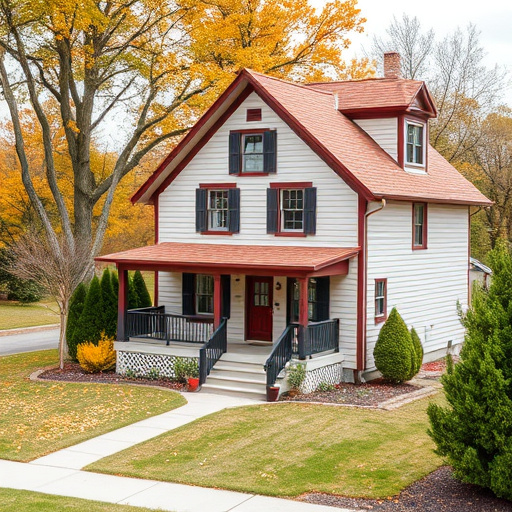
In real estate, a down payment is a significant milestone for buyers, often representing a substantial portion of their financial resources. However, the concept of low down payments has gained traction in recent years, offering potential purchasers an alternative path to homeownership. This shift is particularly notable among younger generations and first-time buyers who may face economic constraints or prefer more flexible financing options. Understanding this trend is essential for both aspiring homeowners and industry professionals alike.
A low down payment can be defined as a substantial reduction in the traditional 20% or more required by lenders, often ranging from 3% to 5% of the purchase price. This change has been facilitated by various factors, including evolving lending guidelines and the rise of specialized mortgage programs designed for specific buyer profiles. For instance, government-backed loans like FHA (Federal Housing Administration) mortgages allow borrowers with lower credit scores or smaller down payments to qualify for home financing. These programs have proven invaluable in increasing homeownership rates among previously underserved demographics.
The benefits of low down payments are multifaceted. Firstly, it reduces the upfront financial burden on buyers, making homeownership more accessible. This accessibility can spark a sense of empowerment and encourage individuals to take that leap into the real estate market. Furthermore, smaller down payments can simplify the mortgage application process, as borrowers may require fewer documents and face less stringent qualifications. Data from the National Association of Realtors indicates that first-time homebuyers who put down just 3% are more likely to secure a home purchase, with nearly 60% of these buyers successfully closing on their properties within six months. This trend signals a positive shift, empowering a wider range of individuals to enter the real estate arena.
Simplifying Mortgage Approval Process
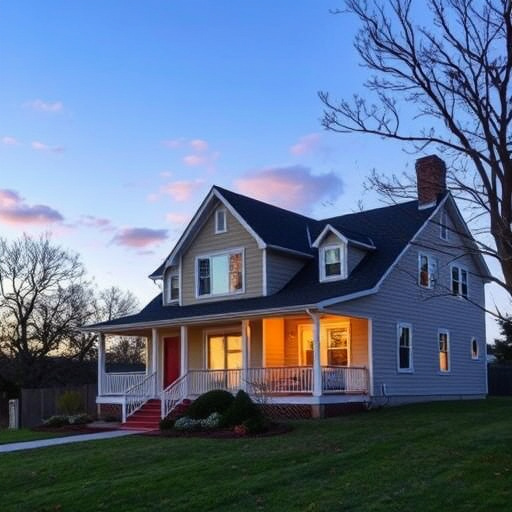
The mortgage approval process has long been a significant hurdle for many prospective homebuyers, often requiring substantial down payments and stringent criteria. However, recent trends in the real estate market have introduced more flexible options, particularly with lower down payment requirements. This shift is not only making homeownership more accessible but also simplifying the approval process, allowing a broader range of buyers to enter the market. Lenders are now offering products tailored to diverse financial backgrounds and life stages, such as first-time homebuyers, investors, or those seeking to refinance.
One key development is the rise of low-down payment mortgages, which typically require just 3% to 5% down compared to the traditional 20%. These programs have gained popularity due to their ability to lower the initial financial burden on buyers, making homeownership more attainable. For example, according to recent data from the Federal Reserve, nearly 30% of homebuyers in 2022 put down less than 10% on their homes, a significant increase from previous years. This trend is not just a fleeting phenomenon; it reflects a growing recognition among lenders that lower down payments can be a powerful tool to expand access to real estate.
Simplifying mortgage approval goes beyond low-down payment options. Streamlined underwriting processes, digital platforms, and data analytics have revolutionized how lenders assess borrowers. These advancements enable quicker decision-making, often with more accurate results. For instance, automated underwriting systems can pre-approve loans based on digital documentation, reducing the time typically spent on manual paperwork. As the real estate industry continues to embrace technology, buyers can expect a more efficient and accessible mortgage approval process, making their journey to homeownership smoother than ever.
Strategies for Securing Your Dream Home

Securing your dream home doesn’t have to come with a hefty price tag or a complicated process. One of the most effective strategies to make homeownership more accessible is by implementing lower down payments, which not only reduces the initial financial burden but also streamlines the approval process. In today’s competitive real estate market, where properties often fetch high prices, this approach can be a game-changer for prospective buyers. According to recent data, a significant portion of first-time homebuyers are leveraging low-down payment options to enter the real estate arena.
The key to success lies in understanding your financial capabilities and exploring government-backed loan programs designed to promote homeownership. These programs often offer flexible eligibility criteria, including lower down payment requirements, making them an attractive option for many. For instance, FHA loans, popular among first-time buyers, allow for as little as 3.5% down, while VA loans for veterans and their spouses may not require any down payment at all. By taking advantage of these programs, borrowers can significantly reduce the financial obstacles associated with buying a home.
Additionally, working closely with an experienced mortgage broker who specializes in low-down payment loans can provide valuable insights and guidance. These professionals have access to a diverse range of lenders and products, enabling them to tailor solutions to individual needs. They can assist in navigating the application process, ensuring all necessary documents are in order, and even help negotiate better terms with lenders. This strategic approach ensures that buyers can secure their dream homes while maintaining financial flexibility.