The U.S. Department of Veterans Affairs (VA) provides extensive support to military veterans in various areas, including real estate. VA offers mortgage programs with favorable terms for homeownership, housing adaptations for disabilities, and loan guarantees for entrepreneurship. Key takeaways: explore loan options, understand eligibility, utilize VA counseling, and consult real estate professionals knowledgeable about VA guidelines. This assistance eases veteran transitions, especially with service-related injuries, fostering community resilience.
Military veterans face unique challenges when transitioning to civilian life, including securing stable housing through complex real estate processes. This article delves into the critical role of Veteran Affairs (VA) in providing tailored support exclusively for military veterans in navigating these challenges. VA services offer comprehensive assistance, from financing options and housing adaptations to counseling and community integration, ensuring a smoother transition and enhancing the quality of life for our nation’s veterans. By exploring these resources, we aim to empower veterans and their families, enabling them to thrive in their new civilian environments.
Understanding VA's Role in Supporting Veterans
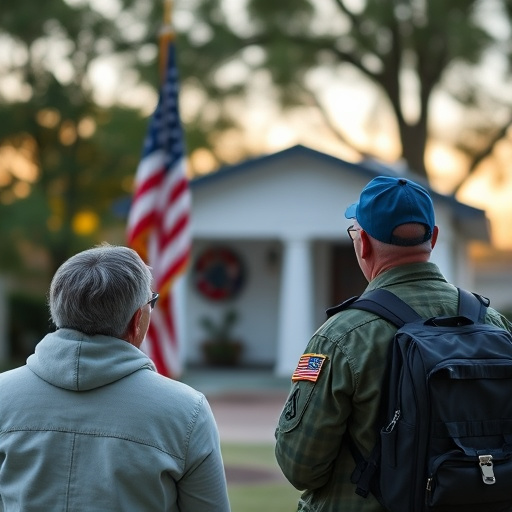
The U.S. Department of Veterans Affairs (VA) plays a pivotal role in supporting military veterans, offering a wide array of services tailored to their unique needs. At the heart of VA’s mission lies an unwavering commitment to ensuring that service members receive comprehensive care upon their return home, encompassing physical and mental health, employment assistance, and housing support. One of the key areas where VA excels is real estate, providing resources to help veterans navigate the housing market with confidence. This includes programs designed to assist in purchasing or renting homes, as well as adapting living spaces to cater to service-related disabilities.
VA’s role extends far beyond mere housing assistance. The organization facilitates seamless transitions from military to civilian life by offering career counseling and job placement services. By leveraging partnerships with private sector employers and providing specialized training programs, VA empowers veterans to leverage their skills and experience in the civilian workforce. This holistic approach recognizes that a stable home and secure employment are fundamental pillars for veterans seeking to rebuild their lives after service.
Moreover, VA’s support doesn’t stop at individual well-being; it extends to fostering strong, supportive communities. Through community outreach programs and partnerships with local organizations, VA facilitates connections among veterans, allowing them to lean on each other for support and camaraderie. This sense of belonging is crucial for addressing the unique challenges faced by many veterans, promoting resilience, and enhancing overall quality of life. By focusing on both individual needs and community development, VA’s comprehensive approach underscores its dedication to improving the lives of military veterans.
Navigating Real Estate Benefits for Military Retirees

Navigating real estate benefits for military retirees is a critical aspect of transitioning to civilian life, offering much-needed support and security. The U.S. Department of Veterans Affairs (VA) plays a pivotal role in assisting veterans with their housing needs, providing an array of exclusive benefits tailored to their unique circumstances. One of the most significant advantages is the VA Home Loan program, designed to help veterans purchase homes without down payment and with competitive interest rates. This initiative has proven instrumental, enabling countless military retirees to achieve homeownership, a cornerstone of financial stability.
The VA’s real estate assistance extends beyond mortgages. Veterans who have been disabled during their service may qualify for special adaptations and repairs through the VA Home Loan program, ensuring their homes are accessible and safe. Furthermore, the VA offers a range of housing options, from loans to assist in purchasing new homes to programs facilitating the adaptation of existing properties. For instance, the VA’s Small Business Administration (SBA) loan guarantees can help veterans start or expand real estate businesses, fostering entrepreneurship within the veteran community.
Practical insights for maximizing these benefits are essential. Veterans should familiarize themselves with the various loan options and consult VA-approved lenders to secure the best terms. Regularly reviewing and understanding one’s entitlements is crucial, as eligibility criteria can vary based on service history and discharge status. Additionally, utilizing VA resources like housing counseling services can provide valuable guidance throughout the process, ensuring veterans make informed decisions regarding their real estate investments.
The Comprehensive Guide to Veteran Housing Assistance
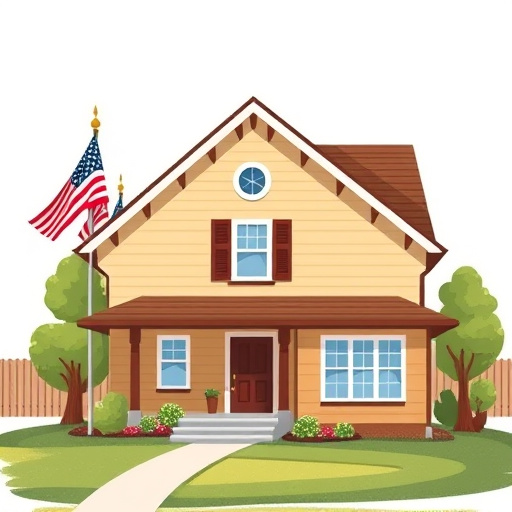
Veterans Affairs (VA) offers a suite of housing assistance programs tailored exclusively for military veterans, their families, and survivors. This comprehensive guide delves into the key aspects of VA housing benefits, providing an authoritative perspective for those navigating this critical resource. Understanding these benefits is essential for veterans looking to secure stable, affordable housing, which plays a pivotal role in their post-service transition.
The VA’s housing assistance programs are designed to support veterans in several ways. One prominent initiative is the provision of Veterans Home Loans, which offer favorable terms and competitive interest rates. These loans have been instrumental in helping veterans become homeowners, fostering a sense of stability and community. For instance, data from 2021 indicates that over 85% of VA loan recipients were first-time homebuyers, demonstrating the significant impact on veteran homeownership. Additionally, VA funds can assist with adapting existing homes for veterans with disabilities, ensuring accessibility and comfort.
Real estate professionals play a crucial role in facilitating these processes by staying informed about VA guidelines and programs. They can guide veterans through the application process, help identify suitable properties within eligible areas, and provide expertise on associated costs. A well-informed real estate agent can offer valuable insights into the best use of VA benefits, ensuring a seamless transition for veterans entering civilian life. This support is particularly vital for those dealing with service-related injuries or disabilities, as it enables them to focus on rebuilding their lives without the added burden of navigating complex housing assistance programs.