The U.S. Department of Veterans Affairs (VA) offers extensive real estate support for military veterans, including zero-down home loans, adaptive grants, and homelessness assistance. Real estate professionals can aid veterans by educating themselves on VA programs, collaborating with local offices, and guiding clients through the process. This ensures a smoother transition to civilian life with stable, affordable housing.
Military veterans face unique challenges when transitioning to civilian life, particularly when navigating the complex landscape of real estate. Understanding their specific needs is crucial to ensuring they find suitable homes and build stable futures. This article explores how Virtual Assistance (VA) exclusively tailored for military veterans can serve as a game-changer in this process. By leveraging technology, VA provides personalized support, connecting veterans with resources, and simplifying the often labyrinthine real estate market, thereby facilitating their successful reintegration into civilian communities.
Understanding VA's Exclusive Role for Veterans in Real Estate
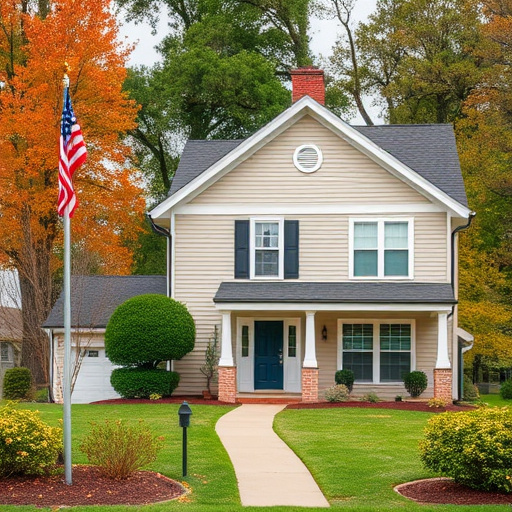
The U.S. Department of Veterans Affairs (VA) plays a pivotal role in supporting military veterans, particularly in navigating the complex landscape of real estate. VA’s exclusive programs and services are designed to assist veterans in their transition from military service to civilian life, with a significant focus on housing stability. Understanding this unique role is essential for both veterans seeking assistance and real estate professionals who can facilitate smoother transitions.
One of VA’s key initiatives is the provision of home loans guaranteed to eligible veterans, active-duty service members, and surviving spouses. These loans offer favorable terms, including low down payments and competitive interest rates, making homeownership more accessible. For instance, according to recent VA statistics, over 95% of VA loan borrowers have excellent credit scores, demonstrating the program’s popularity and success in fostering financial stability for veterans. Moreover, VA offers a range of housing benefits, such as special adaptive housing grants and assistance for homeless veterans, ensuring that their housing needs are met, regardless of physical challenges or socioeconomic barriers.
Real estate professionals can play a crucial role in supporting these efforts by educating themselves on VA programs and becoming trusted resources for veteran clients. Understanding the eligibility criteria and application processes enables agents to guide veterans through the system effectively. By staying informed about policy changes and working collaboratively with local VA offices, real estate professionals can facilitate smoother transactions, ensuring that veterans receive the support they deserve in their pursuit of stable, affordable housing—a fundamental aspect of successful reintegration into civilian life.
Accessing Benefits: A Guide for Military Veterans in Housing
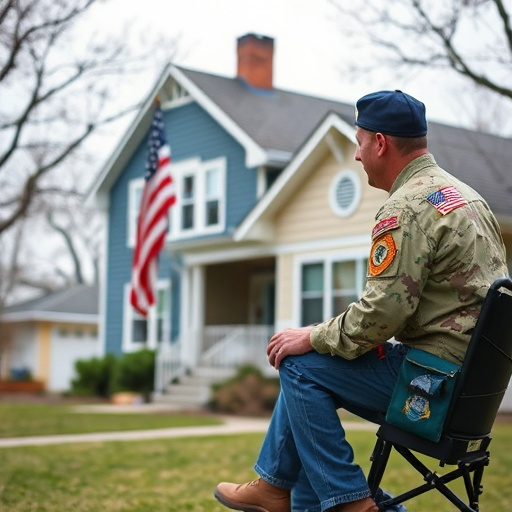
Military veterans face unique challenges when navigating the real estate market. Understanding and accessing available benefits can significantly ease this transition, ensuring a secure and comfortable future. The U.S. Department of Veterans Affairs (VA) offers an array of housing assistance programs designed specifically to support veterans in their quest for stable, affordable housing.
One of the most significant benefits is the VA Home Loan Program, which provides eligible veterans with zero-down mortgage options and competitive interest rates. This program has been instrumental in helping many veterans become homeowners, offering both purchase and refinance loans. Furthermore, the VA offers a special home loan for surviving spouses, ensuring that even after the passing of a veteran, their family can still realize the dream of homeownership. Accessing these benefits requires careful consideration of eligibility criteria, which are based on factors like military service history, discharge status, and marital status.
Additionally, the VA provides grants to assist veterans with adaptive modifications needed for disabled veterans or those suffering from service-connected conditions. These grants can cover costs associated with making homes accessible, ensuring that veterans with disabilities can live independently and safely. Moreover, the VA offers temporary housing assistance through programs like the Homeless Veterans Program, providing emergency shelter and support services to those facing homelessness.
Veterans should proactively research and understand these benefits, reaching out to local VA offices or consulting with real estate professionals who specialize in veteran affairs for guidance. By taking advantage of these resources, veterans can not only secure stable housing but also navigate the real estate market with confidence, ensuring a brighter future for themselves and their families.
Navigating the Process: How VA Assists Veterans with Property Acquisition
Navigating the complex process of property acquisition can be a significant challenge for military veterans transitioning into civilian life. The U.S. Department of Veterans Affairs (VA) plays a pivotal role in assisting veterans with this journey, offering a range of benefits and services designed to streamline the real estate process. This supportive network is crucial in helping veterans find suitable homes and secure financing, ensuring they can build stable, lasting communities.
The VA’s assistance extends beyond simply providing loans; it offers comprehensive guidance throughout the entire process. Veterans can access valuable resources for pre-purchasing home evaluations, understanding local housing markets, and learning about available tax benefits. For instance, the VA Home Loan program offers eligible veterans 100% financing with no down payment, reducing significant financial barriers to entry in the real estate market. This initiative has been instrumental in empowering many veterans to achieve their dream of homeownership.
Additionally, the VA provides expert advice on choosing the right property, considering factors such as location, community amenities, and accessibility. They offer support during negotiations with sellers and help veterans navigate legal aspects like closing costs and contracts. By offering these services, the VA ensures that veterans receive not just financial assistance but also practical help in making informed decisions about their future homes. This holistic approach is a game-changer for many, facilitating a smoother transition into civilian life and fostering a sense of stability and belonging.