The U.S. Department of Veterans Affairs (VA) provides comprehensive real estate assistance, including low-interest loans for first-time homebuyers, adaptive housing grants, and targeted support services. These programs facilitate smooth transitions from military to civilian life, enhance mental health, and boost employment rates among veterans. Knowledgeable real estate professionals can help veterans maximize VA benefits.
In a nation that values its military veterans, the unique challenges they face transitioning to civilian life are profound. One critical aspect often overlooked is their seamless integration into the real estate market. Veterans Affairs (VA) plays an indispensable role here, offering specialized support tailored to their needs. However, navigating this process can still be daunting. This article delves into the comprehensive services VA provides exclusively for military veterans, focusing on real estate as a key area of expertise. By exploring these resources, we aim to empower veterans and ensure they find stable, suitable housing with ease.
Understanding VA's Exclusive Role for Veterans

The U.S. Department of Veterans Affairs (VA) is a government agency uniquely tasked with providing comprehensive support to military veterans. Its exclusive role extends beyond traditional healthcare services; VA offers an array of benefits, including housing assistance through its real estate programs. This focused approach ensures that veterans receive specialized care and resources tailored to their unique needs upon their return from service.
One of VA’s key initiatives is its commitment to helping veterans find suitable housing at affordable rates. The Veterans Housing Loan Program, for instance, offers low-interest loans to eligible veterans purchasing homes for the first time. This initiative not only assists in building wealth but also ensures that veterans have a stable place to call home after their service. Moreover, VA’s real estate programs cater to various needs, including rental assistance and special adaptive housing for those with disabilities, showcasing its holistic approach to veteran welfare.
The agency’s exclusive focus allows it to navigate the complexities of military life and civilian transitions effectively. By providing targeted support through real estate initiatives, VA helps veterans integrate into civilian society more seamlessly. This specialized care extends beyond housing; it includes mental health services, job training, and educational benefits, all designed to empower veterans to rebuild their lives. Understanding and leveraging these exclusive VA services is crucial for veterans aiming to secure stable housing and thrive after their military service.
Exploring VA Real Estate Assistance Programs

The U.S. Department of Veterans Affairs (VA) offers a comprehensive array of assistance programs tailored exclusively for military veterans, extending beyond traditional healthcare services. One particularly impactful area of support is real estate, which plays a pivotal role in helping veterans transition to civilian life and securing stable housing. These VA real estate assistance programs are designed to alleviate financial burdens, offer competitive loan terms, and provide valuable resources for first-time homebuyers and experienced property owners alike.
Eligible veterans can leverage the VA Home Loan program, which guarantees loans issued by private lenders. This guarantee removes the need for a down payment and often results in lower interest rates, making homeownership more accessible. Additionally, the VA provides funding fee waivers or reduced fees, effectively saving borrowers money throughout the loan term. For instance, according to recent VA data, over 90% of veterans who used their loans for purchasing homes saved thousands of dollars in closing costs and fees compared to conventional mortgages.
Beyond home purchases, the VA offers programs like the Adaptable Housing Grant, designed to modify or adapt existing homes to better accommodate veterans with disabilities. This initiative ensures that veterans can remain in their homes safely and comfortably while managing service-connected injuries or conditions. By combining these various real estate assistance programs, the VA is not only facilitating homeownership but also enhancing the overall quality of life for military veterans post-service.
Navigating VA Benefits for Secure Housing Futures
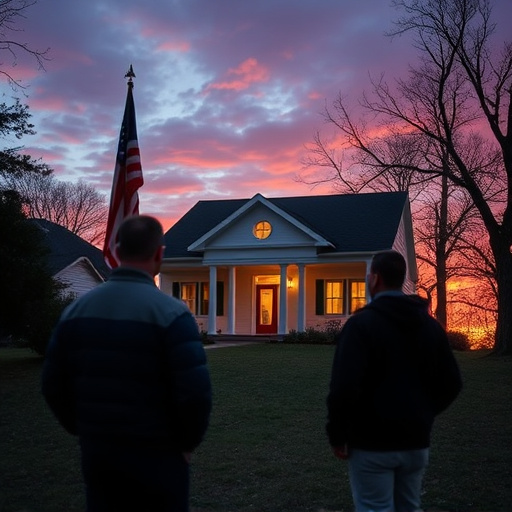
Navigating VA benefits for secure housing futures is a critical aspect of supporting military veterans as they transition to civilian life. The U.S. Department of Veterans Affairs (VA) offers a comprehensive array of home loan programs designed specifically to assist veterans in purchasing, constructing, or refinancing homes—a significant step toward building stable, long-term housing. These benefits are not only financial assistance but also key components in fostering secure and sustainable real estate futures for our veterans community.
One of the most renowned VA home loan programs is the Veterans Affairs Home Loan Guaranty, which provides 100% financing options, eliminating the need for down payments. This program has been instrumental in empowering many veterans to become homeowners, especially first-time buyers. Moreover, the VA also offers adaptive and special home adaptation grants to assist eligible veterans with disabilities in modifying their homes to meet specific needs, ensuring accessibility and safety within their own residences. These initiatives reflect a holistic approach to addressing housing challenges unique to the veteran population.
Data from recent studies indicates that stable housing is directly linked to improved mental health outcomes and increased employment rates among veterans. By providing access to affordable and suitable real estate options, VA benefits play a pivotal role in promoting overall well-being and fostering community integration. To maximize these advantages, it’s essential for veterans to work closely with knowledgeable real estate professionals who are familiar with VA guidelines and can guide them through the application processes, ensuring they receive the full spectrum of available support.