The U.S. Department of Veterans Affairs (VA) provides extensive support to veterans in the real estate sector, including loan guaranties, down payment assistance, and property investment guidance. Programs like the Veterans Affordability Program, Home Loan Guaranty, and Adaptive Housing Grant enable veterans to achieve homeownership, access adaptive modifications, and navigate taxes and regulations. By leveraging these resources, veterans can build stable futures and integrate into civilian communities securely.
In a nation grateful for its military veterans’ service, supporting their transition to civilian life remains a paramount concern. Real Estate plays a pivotal role in this journey, offering both challenges and opportunities. Many veterans face hurdles when navigating the housing market, from understanding unique benefits to locating suitable properties. This article delves into how VA (Veterans Affairs) exclusively designed programs empower military veterans in their real estate endeavors, providing tailored assistance and fostering successful post-service lives. We explore these initiatives, highlighting their impact on veterans’ well-being and economic stability.
Understanding VA's Role in Veteran Support
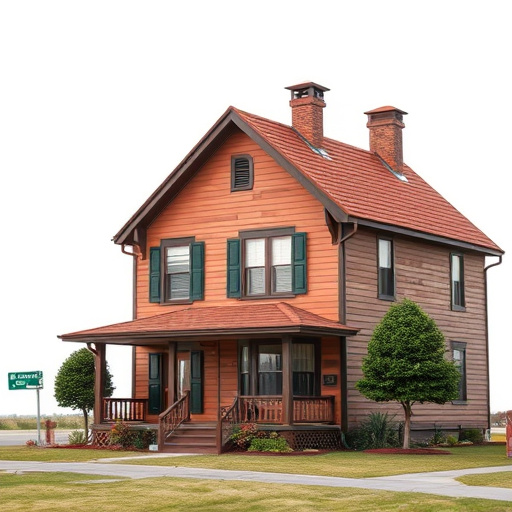
The U.S. Department of Veterans Affairs (VA) is a vital pillar of support for military veterans, offering an array of services tailored to meet their unique needs. Among its extensive offerings, VA plays a crucial role in assisting veterans with real estate-related matters, providing them with tools and resources to navigate the housing market successfully. This specialized assistance is designed to honor the sacrifices made by those who served their country.
One of VA’s primary functions in this domain is to facilitate homeownership for veterans through its loan guaranty program. This initiative ensures that veterans can purchase homes with minimal down payments, often as low as 1%—a significant advantage in an expensive real estate market. The program also offers flexible loan terms and competitive interest rates, making homeownership more accessible. VA’s involvement not only helps veterans secure stable housing but also boosts their long-term financial stability.
Moreover, VA provides valuable resources for veterans considering investing in real estate as a business venture. They offer guidance on understanding property taxes, zoning regulations, and market trends specific to veteran-friendly communities. By leveraging this expertise, veterans can make informed decisions when purchasing or developing properties. As an example, many cities have recognized the importance of accommodating military families and implemented policies that promote affordable housing options near military bases, ensuring a supportive environment for these individuals to thrive in both their personal and professional lives.
Navigating Real Estate Assistance for Veterans
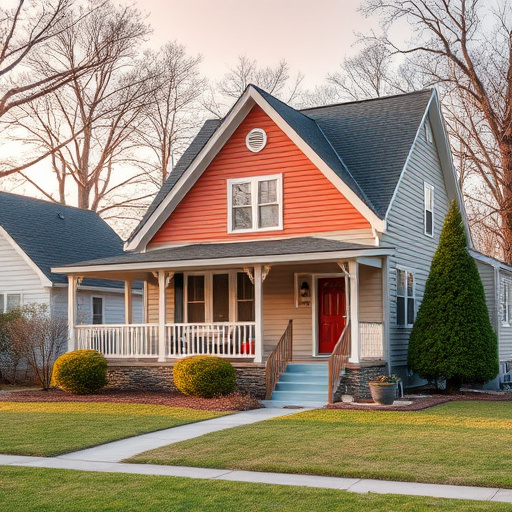
Navigating real estate assistance for veterans is a critical aspect of ensuring their successful transition from military service to civilian life. The U.S. Department of Veterans Affairs (VA) offers an array of programs tailored to support veterans in their homeownership journey, recognizing that stable housing is a cornerstone of veteran well-being and community reintegration. These initiatives range from financial assistance through loan guarantees and adaptive home modifications for those with service-connected disabilities, to counseling services aimed at educating veterans on the complexities of home buying.
One of the VA’s most significant contributions is the Veterans Affordability Program (VAP), designed to help veterans purchase homes with little or no down payment. This program, backed by a network of approved lenders, streamlines the mortgage process and offers competitive interest rates. Data from 2021 indicates that over 40% of first-time homebuyers among veterans utilized VA loan benefits, underscoring its popularity and effectiveness. Moreover, the VA’s Home Loan Guaranty Program eliminates private mortgage insurance (PMI) requirements for many veterans, significantly reducing long-term costs associated with homeownership.
Beyond financial assistance, the VA provides valuable resources for veteran homeowners facing challenges such as service-connected disabilities or age-related issues. The Adaptive Housing Grant Program offers funds for modifications that make homes more accessible and safer, ensuring veterans can remain independent in their own residences. These initiatives not only address immediate housing needs but also empower veterans with a sense of security and control over their post-service lives, fostering stability and community integration.
Maximizing Benefits: A Guide for Military Retirees
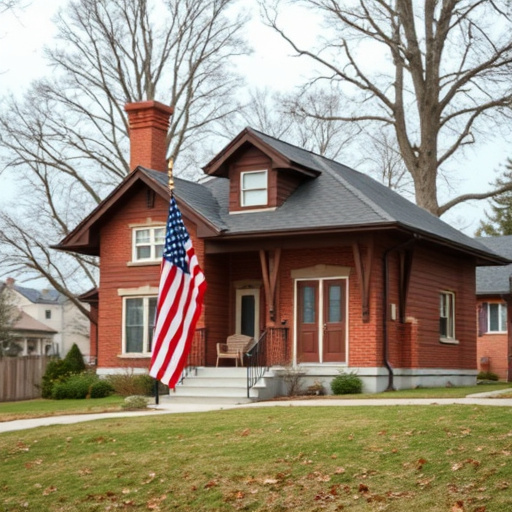
Transitioning from military service to civilian life presents unique challenges for veterans, especially when navigating the complex landscape of benefits. Maximizing these benefits, particularly in the realm of real estate, can significantly ease this transition. Many veterans are unaware of the full extent of assistance available to them, leading to potential financial strain and missed opportunities. For instance, the Department of Veterans Affairs (VA) offers housing grants and adaptive home modifications to make purchasing or adapting a home more accessible. These benefits not only support veterans’ physical needs but also foster a sense of stability and community.
Expert advice suggests that veterans should proactively research and understand their eligibility for these benefits. A comprehensive review of the VA’s online resources can unveil a world of opportunities, from down payment assistance to loan guarantees. For instance, the VA Home Loan program has helped thousands of veterans become first-time homeowners by offering flexible financing options and competitive interest rates. Moreover, real estate agents with experience in veteran affairs can play a pivotal role in guiding them through the process, ensuring they secure the best deals and take advantage of available incentives.
Practical steps include attending VA-sponsored workshops on homeownership, consulting with financial advisors familiar with veteran benefits, and networking within veteran communities to share insights and experiences. By embracing these strategies, military retirees can not only navigate the real estate market with confidence but also leverage their hard-earned benefits to build a secure future. Understanding and maximizing these advantages is a crucial step in ensuring veterans thrive in their new civilian lives.