The U.S. Department of Veterans Affairs (VA) offers comprehensive real estate support to military veterans, including:
– VA Home Loan program providing 100% financing and no down payment requirement.
– Adaptive home modifications for disabled veterans.
– Community development partnerships revitalizing neighborhoods.
Veterans can access these benefits by verifying eligibility through online resources and approved lenders specializing in VA loans. The VA loan-mapping tool assists borrowers in finding eligible properties, saving them time and money compared to conventional mortgages.
The United States has a profound responsibility to its military veterans, ensuring they receive the support and resources needed for successful transitions to civilian life. However, navigating real estate options can pose significant challenges for veterans, often resulting in confusion and limited choices. This article aims to shed light on this critical issue by offering an authoritative guide exclusively tailored to the unique needs of military veterans in the realm of real estate. We will explore practical strategies and resources that empower veterans to make informed decisions, ultimately facilitating smoother transitions and fostering a sense of stability in their new civilian lives.
Understanding VA's Role in Supporting Veterans
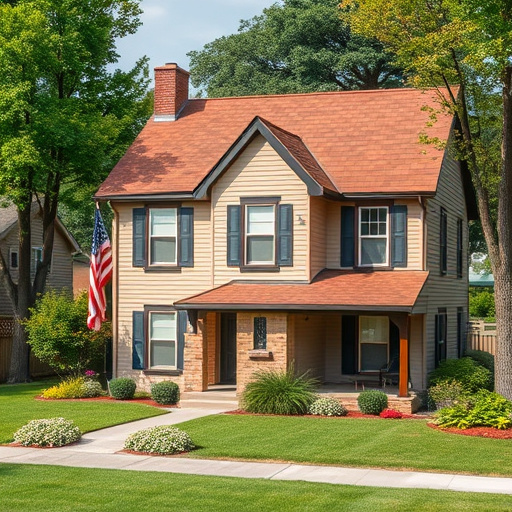
The U.S. Department of Veterans Affairs (VA) plays a pivotal role in supporting military veterans, offering a comprehensive range of services tailored to their unique needs. Among its many responsibilities, VA stands as a steadfast partner for veterans seeking stable housing through its real estate initiatives. This support extends beyond mere accommodation; it encompasses a holistic approach to address the challenges faced by returning service members, including mental health services, healthcare access, and employment opportunities.
VA’s Real Estate Service is designed to assist veterans in securing safe and affordable homes, recognizing that stable housing is a cornerstone of veteran reintegration into civilian life. The VA Home Loan program, for instance, provides low-interest mortgages, making homeownership more accessible. This financial support is crucial, as it allows veterans to invest in their future while leaving the burden of high housing costs behind. Moreover, VA’s commitment to real estate extends to adaptive home modifications for disabled veterans, ensuring their living spaces cater to their specific needs and promote independence.
Beyond individual assistance, VA fosters community development through partnerships with local organizations and real estate professionals. These collaborations aim to revitalize neighborhoods and create inclusive communities where veterans can thrive. By investing in targeted housing programs, VA contributes to the overall well-being of its veteran population, empowering them to rebuild their lives and make lasting contributions to society. Understanding and leveraging these services is essential for veterans navigating the transition to civilian life, offering a solid foundation upon which they can construct a fulfilling future.
Accessing VA Benefits for Real Estate Purchases

Accessing VA benefits for real estate purchases is a significant advantage exclusively available to military veterans. As a dedicated resource, the U.S. Department of Veterans Affairs (VA) offers a suite of incentives aimed at helping veterans become homeowners. These benefits not only streamline the purchasing process but also provide financial assistance in the form of low-interest loans and special eligibility criteria. One of the most notable programs is the VA Home Loan program, which has been instrumental in enabling countless veterans to achieve homeownership.
Eligible veterans can secure a loan with no down payment requirement, a key advantage in today’s competitive real estate market. Additionally, these loans often come with lower interest rates compared to conventional mortgages, saving veterans thousands over the life of their loan. The VA also offers a special program called the Veterans Affairs-Backed Loan, which allows lenders to offer more flexible terms and conditions. This has proven especially beneficial for first-time homebuyers, veterans starting their families, or those looking to invest in real estate.
To access these benefits, veterans must first determine their eligibility by verifying their military service and discharge status. The VA provides a range of resources and tools to assist in this process, including online portals and dedicated support services. Once eligibility is established, veterans can connect with approved lenders who specialize in VA loans. These lenders guide borrowers through the application and closing processes, ensuring they receive the full spectrum of VA benefits tailored to their individual needs. By leveraging these exclusive advantages, veterans can navigate the real estate landscape with confidence and security.
Navigating VA Loans: A Comprehensive Guide

Navigating VA loans requires a deep understanding of this unique financing option designed exclusively for military veterans. The U.S. Department of Veterans Affairs (VA) offers a range of home loan programs tailored to meet the specific needs of veterans, active-duty service members, and their families. One of the most popular is the VA Home Loan, which provides 100% financing and eliminates the need for a down payment, making real estate ownership more accessible. This comprehensive guide aims to demystify the process, empowering veterans with the knowledge to make informed decisions regarding their housing.
Eligibility is a crucial starting point. Veterans who have served actively, reservists, and National Guard members may qualify based on their military service history. The VA evaluates each application individually, considering service records and verifying eligibility through official channels. Once approved, borrowers can access competitive interest rates and flexible loan terms, making real estate purchasing more affordable. For instance, the average VA loan in 2022 had a 3.55% interest rate, compared to the national average of 6.5% for conventional mortgages. This significant difference can translate into substantial savings over time.
A key advantage of VA loans is the absence of private mortgage insurance (PMI), commonly required on conventional loans with less than 20% down. By eliminating PMI, veterans can avoid additional monthly costs, further enhancing the affordability of their real estate ventures. Additionally, the VA offers a loan-mapping tool that allows borrowers to search for properties within specific areas, ensuring they meet eligibility criteria before making an offer. This practical resource streamlines the process, enabling veterans to focus on finding their dream home while adhering to VA guidelines for eligible properties.