The U.S. Department of Veterans Affairs (VA) offers VA Home Loans to support military veterans in purchasing homes, featuring competitive interest rates, no down payment requirement, and fixed rates. These loans are accessible to active-duty service members and qualifying spouses, aiding financial stability and homeownership for veterans, especially in today's real estate market. Real estate agents specializing in veteran affairs provide guidance on VA loan processes, down payment programs, tax incentives, and local resources. The VA also partners with developers and public agencies to construct specialized housing units adapted for disabilities, offering financial guidance and support networks for a smoother transition to civilian life.
Military veterans face unique challenges when transitioning to civilian life, particularly when navigating the complex realm of real estate. The process can be overwhelming, often leading to barriers in securing stable housing. This article delves into the critical role of Veteran Affairs (VA) as a dedicated support system exclusively for military veterans. By exploring VA’s comprehensive services, we uncover how they facilitate smooth transitions, offer financial assistance, and provide expert guidance in the real estate market, ultimately empowering veterans to build a new life post-service with confidence and security.
Understanding VA Home Loans: A Veteran's Guide
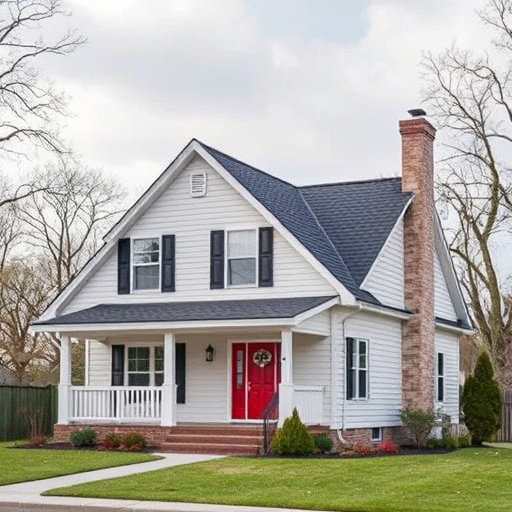
The U.S. Department of Veterans Affairs (VA) offers a range of benefits exclusively designed to support military veterans, with one notable aspect being their home loan program. VA Home Loans are a powerful tool that can make owning a home more accessible for veterans and their families. This guide aims to demystify the process, providing an in-depth understanding for veterans considering this option.
At their core, VA Home Loans are backed by the federal government, which significantly reduces the financial burden on eligible veterans. These loans offer competitive interest rates, often lower than traditional mortgages, and can include no down payment requirement. This is particularly beneficial in today’s real estate market, where initial costs can be a significant obstacle for many prospective homebuyers. For instance, data from 2022 shows that the average down payment for conventional loans was around 5%, while VA loans typically only require 1% or less, making homeownership more feasible.
Eligibility is a crucial factor. Veterans who have served actively, as well as their spouses and certain surviving spouses, are entitled to these benefits. The loan program also extends to active-duty service members. A key advantage lies in the predictability of monthly payments, as VA loans often offer fixed rates, shielding borrowers from potential interest rate fluctuations. This stability can be a game-changer for veterans who may have experienced financial uncertainties during their service. To ensure the best experience, veterans are encouraged to connect with approved VA lenders and consult with housing counselors to navigate the process effectively, ultimately securing their dream home in this competitive real estate landscape.
Navigating Real Estate: Benefits Exclusive to Veterans

Military veterans face unique challenges when navigating the complex world of real estate. As a thank you for their service, various benefits exclusively target their transition to civilian life, making homeownership more accessible and affordable. These benefits not only ease the financial burden but also provide invaluable support throughout the buying or selling process. For example, the VA Home Loan program offers zero-down payments, lower interest rates, and flexible lending terms, allowing veterans to secure stable housing with minimal initial investment.
One of the most significant advantages is the absence of private mortgage insurance (PMI), commonly required by conventional loans. This savings can amount to thousands of dollars over the life of the loan, a considerable benefit for veterans looking to build long-term wealth. Additionally, VA loans often have more lenient credit score requirements, providing an opportunity for those who may have faced financial setbacks during their service. This inclusivity ensures that veterans, regardless of their past experiences, can access safe and sustainable real estate options.
Real estate agents specializing in veteran affairs play a crucial role in this process. They are equipped to guide clients through the unique aspects of VA loans, from understanding eligibility criteria to explaining the loan process. These professionals can also assist with down payment assistance programs, tax incentives, and other local veteran-focused resources, ensuring a comprehensive and supportive experience. By leveraging these benefits, veterans can confidently embark on their real estate journey, securing not just a home but a sense of stability and gratitude for their service.
The Journey: From Service to Secure Housing
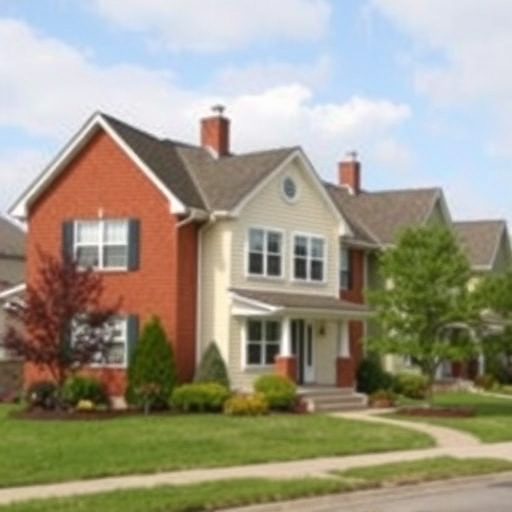
The journey from military service to secure housing is a significant milestone for veterans transitioning into civilian life. This critical phase demands tailored support to ensure their well-being and successful reintegration. Veterans Affairs (VA) plays an indispensable role in this process, offering various programs aimed at facilitating their transition, with a significant focus on providing stable housing solutions.
One of the primary challenges veterans face is finding affordable and suitable accommodations that meet their unique needs. VA’s real estate initiatives have been instrumental in addressing this issue. Through partnerships with private developers and public agencies, the department has facilitated the construction and acquisition of specialized housing units designed to cater to the specific requirements of veterans. These projects often include adaptations for service-related disabilities, such as ramp access, modified kitchens, and specialized baths, ensuring accessibility and comfort. For instance, VA’s Home Loan Programs have enabled many veterans to become first-time homebuyers, fostering a sense of stability and community.
Moreover, VA provides resources and counseling services to educate veterans about their housing rights and options, empowering them to make informed decisions. These programs offer financial guidance, assist with lease agreements, and connect veterans with support networks, ensuring they receive fair treatment in the real estate market. By offering both direct assistance and advocacy, VA facilitates a smoother transition for veterans, allowing them to focus on rebuilding their lives while having a solid foundation in secure housing.