In real estate, understanding down payment requirements is key to homeownership. While traditionally high, recent trends offer lower down payments as low as 3.5% through government-backed loans like FHA, VA, and USDA programs. Experts advise assessing financial readiness, exploring loan options, and seeking personalized guidance from professionals. Key insights include government-backed programs, experienced mortgage brokers, and building an emergency fund for improved loan approval chances. By demystifying the process, these strategies make homeownership more accessible.
In the competitive landscape of real estate, every factor influences a buyer’s journey. Lower down payments and easier approval processes are not just trends; they’re game-changers for prospective homeowners. Today, navigating the market demands innovative strategies to achieve homeownership without traditional financial burdens. This article delves into how these relaxed criteria democratize access to real estate, empowering more individuals to turn their property aspirations into reality. By exploring practical aspects and offering expert insights, we provide valuable guidance in this evolving sector.
Understanding Down Payment Requirements in Real Estate
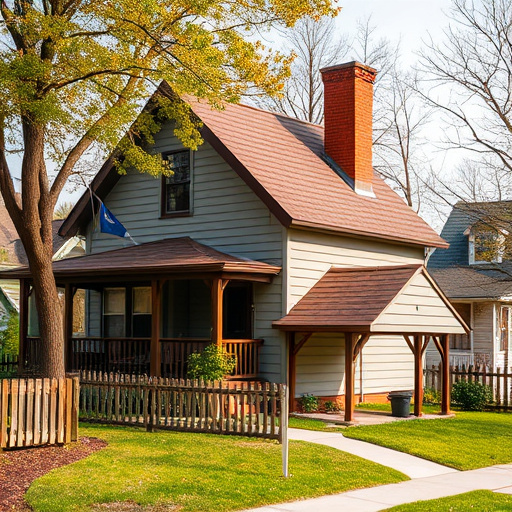
In real estate, one of the key milestones for prospective buyers is understanding down payment requirements. A down payment, typically a percentage of the property’s purchase price, serves as both a financial commitment and a sign of serious intent. It plays a crucial role in securing financing and can significantly impact a buyer’s ability to gain approval for a mortgage. While traditional wisdom suggests saving a substantial amount, recent trends and evolving market conditions have made it possible for many individuals to enter the real estate market with lower down payments.
Lenders typically expect a down payment of at least 5% to 20% of the property value, but government-backed loans and specialized programs offer options as low as 3%. For instance, FHA (Federal Housing Administration) loans allow for down payments as minimal as 3.5%, making homeownership more accessible to first-time buyers or those with limited savings. VA (Department of Veterans Affairs) loans and USDA (U.S. Department of Agriculture) loans also offer favorable terms, including no down payment requirements in certain circumstances. These programs have been instrumental in promoting diversity and inclusivity in the real estate market, enabling a broader range of buyers to achieve their homeownership goals.
Experts advise that prospective buyers assess their financial readiness, explore available loan options, and consult with lenders or real estate professionals for personalized guidance. Understanding down payment requirements is not just about meeting a threshold; it’s about making informed decisions that align with individual financial capabilities and market conditions. By staying informed and proactive, individuals can navigate the complexities of real estate with confidence, ensuring they secure their dream homes while maintaining fiscal responsibility.
Strategies for Securing Easier Loan Approvals

Securing a mortgage can be a complex process, often requiring significant financial resources. However, with strategic planning, borrowers can navigate this landscape more efficiently, potentially securing easier loan approvals. Lower down payments are one such strategy that has gained traction in recent years, offering prospective homeowners a path to ownership with reduced upfront costs. According to the Federal Reserve, as of 2022, the average down payment for a home was around 13%, but many lenders now offer programs with just 5% or even less required. This shift is particularly beneficial for first-time buyers and those with limited savings.
Real estate experts attribute this trend to several factors. Firstly, it stimulates the housing market by making homeownership more accessible. Secondly, it reflects evolving financial realities and consumer preferences in today’s digital era. Lenders have also recognized the value of catering to a broader range of borrowers. For instance, low-down payment loans played a significant role during the COVID-19 pandemic, enabling many individuals and families to secure stable housing despite economic uncertainties. As the market recovers, these options continue to provide an entry point for aspiring homeowners.
To take advantage of these strategies, prospective buyers should first assess their financial situation and creditworthiness. Improved credit scores can significantly enhance loan approvals. Additionally, building a solid savings buffer, even if it’s not enough for a traditional 20% down payment, demonstrates financial responsibility to lenders. Working closely with experienced mortgage brokers or lenders who specialize in various loan programs is crucial. They can guide borrowers through the options, ensuring they choose the most suitable program for their needs and financial capabilities. This personalized approach can streamline the approval process and lead to successful homeownership.
Lowering Barriers to Homeownership: A Step-by-Step Guide

Lowering barriers to homeownership has become a crucial focus for many, recognizing that the traditional down payment requirements can be a significant obstacle. This step-by-step guide aims to demystify the process, offering practical strategies to make homeownership more accessible.
One effective approach involves exploring government-backed loan programs designed specifically to support first-time homebuyers. These programs often offer lower down payment options, with some requiring as little as 3.5% down compared to the typical 20%. For instance, the Federal Housing Administration (FHA) loans are a popular choice, providing flexibility and accessibility. This strategy not only reduces the initial financial burden but also simplifies the approval process, making it easier for prospective buyers to navigate the real estate market.
Additionally, working with experienced mortgage brokers can be invaluable. These professionals have extensive knowledge of various loan products and can match borrowers with programs best suited to their needs. They can also assist in explaining credit score requirements, debt-to-income ratios, and other factors that influence approval. For example, a broker might recommend a program that considers non-traditional credit history, opening doors for those who may not meet standard criteria.
Another practical step is to build an emergency fund specifically for homeownership. This reserve provides a safety net, allowing buyers to cover unexpected costs without diverting funds from their down payment. Data suggests that having an emergency fund can significantly improve loan approval chances and demonstrate financial responsibility to lenders.