Military veterans transitioning to civilian life face unique homeownership challenges, but the U.S. Department of Veterans Affairs (VA) offers comprehensive support through VA Home Loans, providing accessible financing with lower interest rates and eliminating down payments. Specialized loans cater to disabled veterans. Eligibility requires active duty, reserve, or National Guard service and honorable discharge. By engaging with local VA offices, updating personal info, and staying informed about programs, veterans can secure stable housing and build real estate portfolios while adjusting to civilian life. The VA also provides counseling, job placement assistance, and healthcare tailored to individual needs.
Military veterans face unique challenges when transitioning to civilian life, including finding suitable housing through real estate options that cater to their specific needs. This article delves into the critical role of VA (Veterans Affairs) in exclusively supporting military veterans in navigating the complex landscape of homeownership and rental opportunities. We explore how VA services and benefits are designed to ease this transition, empowering veterans to secure stable, affordable housing, and ultimately, thrive in their new communities. By understanding these resources, both veterans and those supporting them can ensure a smoother and more successful integration process.
Understanding VA Home Loans: A Veteran's Guide
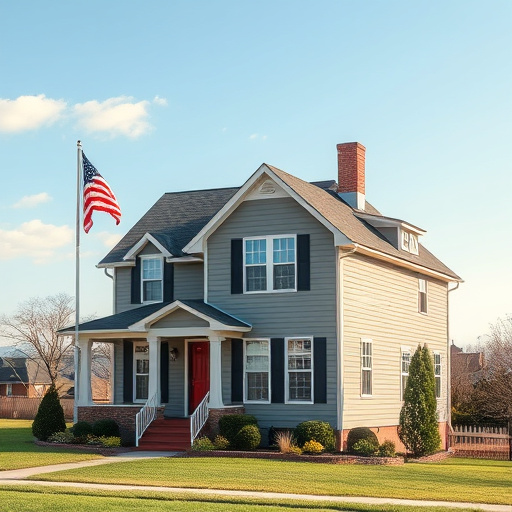
For many military veterans, transitioning to civilian life presents unique challenges, especially when navigating the complex landscape of homeownership. The U.S. Department of Veterans Affairs (VA) offers a comprehensive support system designed exclusively for veterans, with one of its flagship programs being VA Home Loans. These loans are a powerful tool that can make owning a home more accessible and affordable for eligible service members. Understanding this benefit is crucial for veterans looking to secure stable housing after their service.
The VA Home Loan program provides financing for qualified veterans and active-duty service members, offering various options tailored to different needs. One of the key advantages is the absence of a down payment requirement in most cases, significantly reducing initial costs. This feature is particularly beneficial in competitive real estate markets where high down payments can be a barrier to entry. Moreover, these loans often come with lower interest rates compared to conventional mortgages, saving veterans thousands over the life of their loan. The VA also offers adaptive and specialized loans for veterans with service-connected disabilities, ensuring that their unique housing needs are addressed.
Eligibility criteria include active duty, reserve, or National Guard service, as well as honorable discharge. Veterans can access these loans through approved lenders who work closely with the VA to ensure a smooth process. To maximize benefits, veterans should research loan options, compare rates, and consider their long-term financial goals. Seeking guidance from VA-approved consultants or financial advisors is advisable, as they can provide expert insights tailored to individual circumstances. By leveraging VA Home Loans, veterans can take significant steps towards securing stable housing and building a robust real estate portfolio.
Navigating Real Estate: Benefits for Military Veterans

Military veterans face unique challenges when navigating the complex world of real estate. After years of service, many return home with distinct needs and preferences that differ from their civilian counterparts. Understanding these nuances is crucial for real estate professionals to offer tailored assistance and create a seamless transition into post-service life. One significant benefit veterans can leverage is the range of incentives and programs designed specifically to support them in purchasing or securing their dream homes.
The U.S. Department of Veterans Affairs (VA) plays a pivotal role in this process, providing exclusive resources for military veterans. The VA Home Loan program, for instance, offers low-interest rates, no down payment requirements, and flexible loan terms, making homeownership more accessible. This program has been instrumental in helping countless veterans become homeowners, fostering a sense of stability and community. Moreover, the VA offers assistance with home inspections, appraisals, and legal services, ensuring a smoother and more transparent real estate journey.
Real estate agents specializing in veteran affairs can provide invaluable guidance throughout this process. They understand the specific challenges veterans might face, such as adjusting to civilian life or navigating the unique benefits available to them. These professionals can offer personalized recommendations, help interpret eligibility criteria, and connect veterans with trusted service providers. By leveraging these resources effectively, military veterans can secure their ideal properties, marking a significant milestone in their post-service journey.
Empowering Veterans: Property Ownership and Support Services

Many military veterans face significant challenges upon returning home, including adjusting to civilian life and securing stable housing. However, organizations like the Department of Veterans Affairs (VA) play a crucial role in empowering veterans by providing them with tools and resources for property ownership and access to vital support services. This comprehensive approach not only offers a sense of stability but also fosters community reintegration, enhancing the quality of life for our nation’s veterans.
The VA’s real estate initiatives focus on assisting veterans in navigating the complex housing market. One key program provides financial assistance and counseling to help veterans purchase homes, offering low-interest loans and adaptive grants for necessary home improvements. These measures are designed to address specific needs, such as wheelchair accessibility, that may arise due to service-connected disabilities. By investing in veterans’ property ownership, the VA ensures they can build roots and create a sense of permanence in their communities.
Support services complement these real estate efforts, creating a holistic support system for veterans. This includes counseling, job placement assistance, and healthcare access, all tailored to address individual needs. For instance, VA-affiliated therapists can help veterans cope with post-traumatic stress disorder (PTSD) through specialized therapy and group support sessions. Additionally, career counselors provide training and resources to aid in transitioning military skills to civilian careers. Such comprehensive services empower veterans to overcome challenges and thrive in their new lives.
To maximize these benefits, veterans should actively engage with local VA offices, taking advantage of available resources. Regularly updating personal information ensures continuity of care and access to new opportunities. Moreover, staying informed about VA programs through official channels allows veterans to strategically plan for future housing needs and seek timely assistance. By embracing these initiatives, the VA strengthens its commitment to supporting military veterans, fostering a successful transition and enhanced well-being.