The U.S. Department of Veterans Affairs (VA) provides specialized real estate assistance tailored to military veterans' needs, including financial support, home loan guarantees with favorable terms, and adaptive home modifications. Local VA offices collaborate with professionals to guide veterans through the home-buying process. Growing VA-backed loan usage reflects an increasing utilization of these unique resources in the real estate market, aiding veterans' successful transition to civilian life. Experts advise veterans to consult seasoned professionals for efficient navigation of this complex landscape.
Military veterans face unique challenges upon returning home, many of which are overlooked by the broader community. One significant area where support is crucial is real estate—a sector that can be both rewarding and daunting for those adjusting to civilian life. This article delves into how Veterans Affairs (VA) exclusively caters to military veterans, offering tailored assistance in navigating the complex landscape of homeownership and rental options. By exploring VA’s comprehensive services, we aim to highlight the valuable support system available, empowering veterans to make informed decisions regarding their most significant investment: their homes.
Understanding VA's Unique Support for Veterans

The U.S. Department of Veterans Affairs (VA) offers a suite of services tailored exclusively to meet the unique needs of military veterans. Among these, real estate assistance stands out as a critical component of their support system. Understanding VA’s approach to veteran housing is essential for anyone looking to navigate this specialized service. The agency provides a comprehensive range of benefits, including financial assistance, home loan guarantees, and adaptive home modifications, all designed to help veterans secure stable, affordable housing.
VA’s real estate programs are structured to address the specific challenges faced by military veterans transitioning back into civilian life. For instance, the VA Home Loan program offers competitive interest rates and flexible terms, making homeownership more accessible. This is particularly beneficial for veterans who may have limited savings or face financial constraints upon discharge. Moreover, the VA’s commitment to accessibility extends to adaptive home modifications, ensuring that veterans with disabilities can live independently in homes that cater to their specific needs.
The agency’s expertise lies in its ability to connect veterans with resources and advocate on their behalf. Local VA offices often collaborate with real estate professionals who specialize in veteran affairs, fostering a network that facilitates the home-buying process. This collaboration ensures that veterans receive not only financial aid but also guidance tailored to their individual circumstances. For example, data from recent years indicates that VA-backed loans have seen consistent growth, reflecting an increasing number of veterans taking advantage of these benefits. Engaging with local VA offices and industry professionals is a practical step for any veteran aiming to leverage these unique support systems in the real estate market.
Navigating Real Estate Assistance Programs
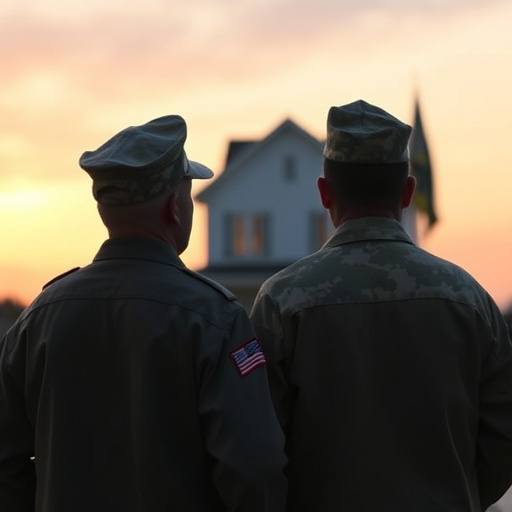
Navigating Real Estate Assistance Programs is a critical aspect of supporting military veterans as they transition to civilian life. The U.S. Department of Veterans Affairs (VA) offers a range of resources designed to assist veterans in purchasing, selling, or renting homes, reflecting the agency’s commitment to ensuring their well-being extends beyond military service. One notable program is the VA Home Loan Program, which provides eligible veterans with low-interest mortgages, eliminating the need for private mortgage insurance and offering flexible loan terms. According to the VA, over 100,000 veterans took advantage of these loans in fiscal year 2022, highlighting the program’s significant impact on helping them achieve homeownership.
Additionally, the VA offers a range of housing allowances and rental assistance programs for veterans facing temporary or permanent housing challenges. The Residential Adaptation Allowance, for instance, provides financial support for adapting homes to accommodate service-connected disabilities, ensuring that veterans can live independently and comfortably. Data from recent years indicates that these assistance programs have become increasingly vital, with the number of veterans seeking help rising steadily due to factors like rising housing costs and health issues.
Experts emphasize that navigating these real estate assistance programs requires careful planning and an understanding of eligibility criteria. Veterans should start by assessing their specific needs and reviewing the various VA benefits they qualify for. Consulting with a seasoned VA loan specialist or real estate agent familiar with veteran affairs can significantly streamline the process, ensuring that every aspect—from pre-approval to closing—is handled efficiently. By leveraging these resources, veterans can not only secure suitable housing but also navigate the complex real estate landscape with confidence and support.
Empowering Veterans: A Comprehensive Guide

Military veterans face unique challenges upon returning home, often requiring comprehensive support to rebuild their lives. One critical area where assistance can make a profound difference is real estate. Empowering veterans through strategic real estate guidance not only provides them with stable housing but also serves as a powerful tool for their overall reintegration and empowerment.
The U.S. Department of Veterans Affairs (VA) plays a pivotal role in this endeavor, offering a range of specialized services exclusively designed to support military veterans. Their comprehensive programs cater to various needs, including housing assistance, mortgage guarantees, and adaptive home modifications. For instance, the VA Home Loan Program provides eligible veterans with zero-down payments and competitive interest rates, making homeownership more accessible. This financial empowerment is crucial in establishing a sense of stability and security, enabling veterans to focus on rebuilding their lives.
Moreover, recognizing the specific needs of veterans, especially those with service-connected disabilities, VA-backed real estate initiatives prioritize accessibility and adaptability. These programs encourage developers to construct homes with universal design elements, ensuring that veterans with physical limitations can live independently. By actively shaping the housing market to cater to veteran demographics, VA is fostering inclusive communities where these individuals can thrive. This strategic approach not only addresses immediate housing needs but also contributes to a more supportive and welcoming society for military veterans in the long term.